

Hair removal can feel overwhelming when you first dive into the world of waxing. Different formulas work better for various skin types, hair textures, and body areas. Whether you run a salon or handle your own hair removal at home, knowing your options helps you choose the right product for smooth, lasting results.
Understanding the popular types of wax for hair removal helps you choose the method that best fits your needs and skill level. Each type has its own benefits and works best in specific situations. Let's break down the most common waxing methods so you can make informed decisions for your waxing routine.
Hard Wax: The Gentle Option
Hard wax appeals to people with sensitive skin because it grabs hair without sticking to the skin underneath. You apply it warm, let it cool and harden, then pull it off without strips. This type works wonderfully on smaller, delicate areas like the face, underarms, and bikini line. The wax adheres only to the hair, reducing discomfort and minimizing irritation.
Many professionals prefer hard wax for coarse hair because it grips stubborn strands effectively. The application requires more practice than other methods, but the results justify the learning curve.
To apply hard wax correctly, spread a thick, even layer over the skin in the direction of the hair growth, leaving a small tab at the edge to use as a grip. Once the wax cools and firms up, lift the tab and remove the wax in one quick motion against the hair growth.
This technique gives you better control over the process and creates less mess than traditional methods. Working in smaller sections helps you avoid tugging on the skin and achieve more comfortable results.
Soft Wax: The Classic Choice
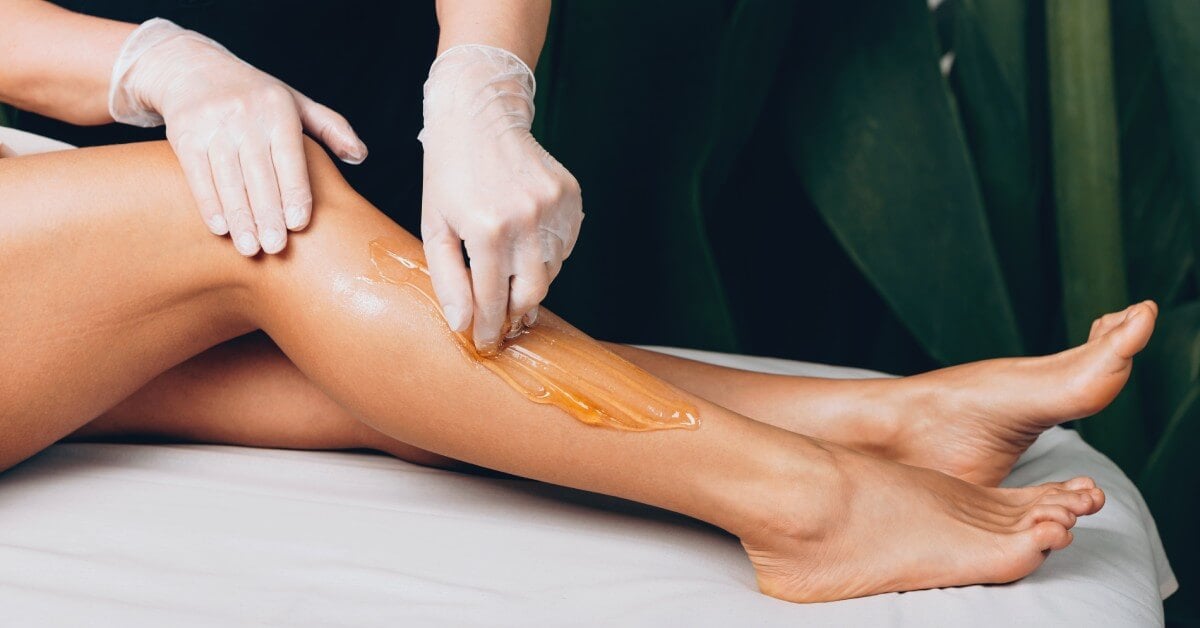
Soft wax remains the most traditional method for hair removal in salons and homes worldwide. You spread a thin layer over the skin using a birchwood applicator, press a cloth or paper strip on top, and quickly pull it away. This method covers large areas quickly, making it ideal for legs, arms, and backs.
Soft wax removes fine hairs and dead skin cells simultaneously, providing mild exfoliation. The downside? It can stick to the skin more than hard wax, which can sometimes lead to greater discomfort.
It’s important to work efficiently with this type of wax because it doesn't harden the same way hard wax does. Most soft waxes come in containers that require warming before application. This type works best when you've developed steady hands and smooth, confident pulling motions during removal.
Roll-On Wax: Convenience Meets Efficiency
Roll-on wax systems offer serious convenience for hair removal routines. These cartridges feature a roller ball that distributes wax evenly across the skin in thin, controlled layers. The built-in applicator eliminates the need for birchwood sticks or spatulas, which reduces waste and mess.
You simply heat the cartridge in a compatible warmer, roll it over the area, apply a strip, and pull it off. This method suits people who wax regularly at home.
The cartridges come in various sizes for different body areas, from narrow ones for facial hair to wide ones for legs. Roll-on wax maintains a consistent temperature throughout use, preventing burns and ensuring smooth application. The system creates a more sanitary experience by preventing people from double-dipping applicators into a shared pot of wax.
However, one side effect of these devices is that if not kept clean, wax can build up and stick in the roller apparatus, causing it to stick or the wax to apply unevenly. Proper maintenance is key to ensure good results.
Sugaring: The Natural Alternative
Sugaring uses a paste made from sugar, lemon juice, and water to remove hair from the root. This ancient technique dates to Egyptian times and continues to gain popularity today.
The paste goes on at room temperature or slightly warm, eliminating the risk of burning entirely. You apply it against hair growth and remove it in the direction of growth, the opposite of traditional waxing.
This technique helps prevent breakage and ingrown hairs by cleanly removing each strand from the root. The natural ingredients make sugaring ideal for people with sensitive skin or allergies to traditional wax resins.
The paste dissolves easily in water, making cleanup incredibly simple. Many people find sugaring less painful than conventional methods, though it requires practice to master.
Fruit Wax: Nourishment Plus Results
Fruit wax incorporates natural fruit extracts and other nourishing ingredients into traditional wax formulas. You'll find varieties infused with berries, papaya, plum, and other fruit essences.
These waxes provide antioxidants and vitamins that support your skin during hair removal. The formulas typically contain fewer chemicals than standard waxes, which appeals to health-conscious consumers.
Fruit wax works similarly to soft wax. You apply it warm with applicators and remove it with strips, but the added ingredients help soothe and moisturize skin. The pleasant scents create a more enjoyable spa and body care experience than traditional wax odors.
This option bridges the gap between effective hair removal and skin treatment. It provides the user with many essential benefits:
- Reduces redness and irritation with natural anti-inflammatory properties.
- Hydrates the skin during the waxing process, rather than just removing hair.
- Provides gentler formulas for reactive or easily irritated skin types.
- Offers aromatherapy benefits that enhance the overall experience.
Cream Wax: Innovation in Action
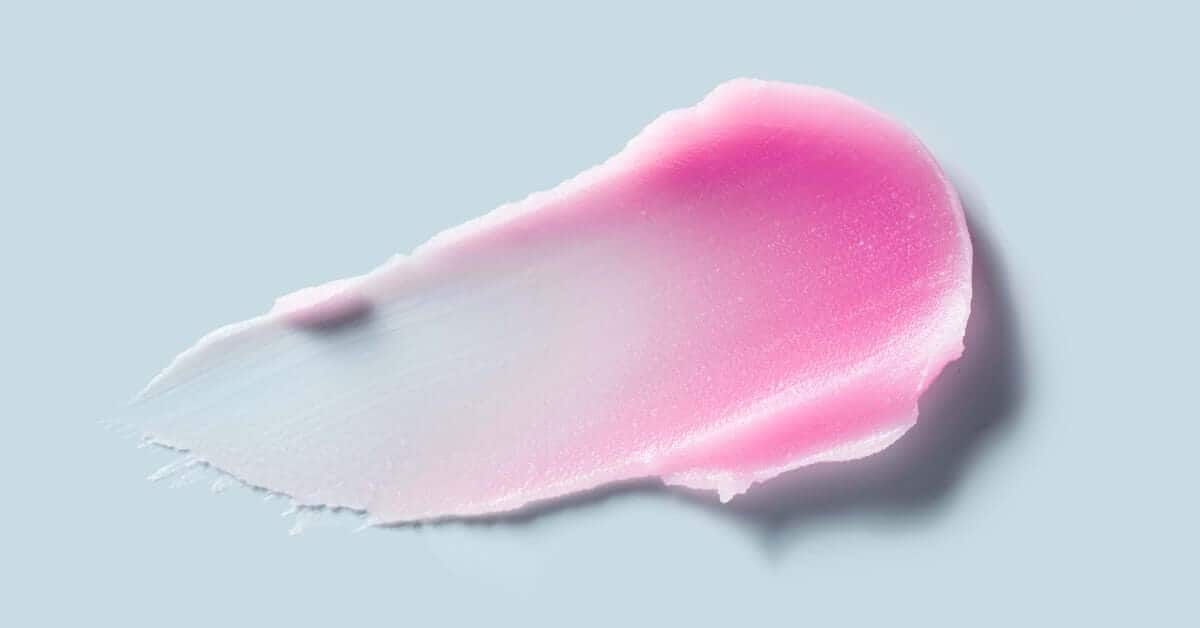
Cream wax is a newer technology in the hair removal industry. The creamy consistency spreads smoothly and removes hair efficiently without the brittleness of hard wax or the stickiness of soft wax.
You apply it the same way you would hard wax, allowing it to set before pulling it off without strips. The formula typically contains moisturizers and skin-conditioning agents that leave skin feeling softer.
Cream wax works well on all body areas and adapts to different hair types effectively. The texture makes it easier to achieve even coverage, especially for beginners still developing their technique.
Many professionals appreciate that cream wax doesn't crack or break during removal like traditional hard wax can. This consistency also means less product waste, as you can precisely control application thickness.
Discover the Waxing Style That Fits You Best
Now you understand the main options available for hair removal. Each method serves different preferences, skill levels, and skin sensitivities.
Hard wax protects delicate areas, soft wax covers large spaces quickly, and roll-on systems bring convenience to your at-home routine.
Natural alternatives like sugaring and fruit wax offer gentler approaches with added skin benefits, while cream wax provides modern innovation for smooth, consistent results.
Understanding the popular types of wax for hair removal empowers you to choose the right product for your specific situation. Experiment with different types to discover what works best for your skin, hair type, and comfort level. The perfect waxing method exists for everyone; you just need to find yours.