

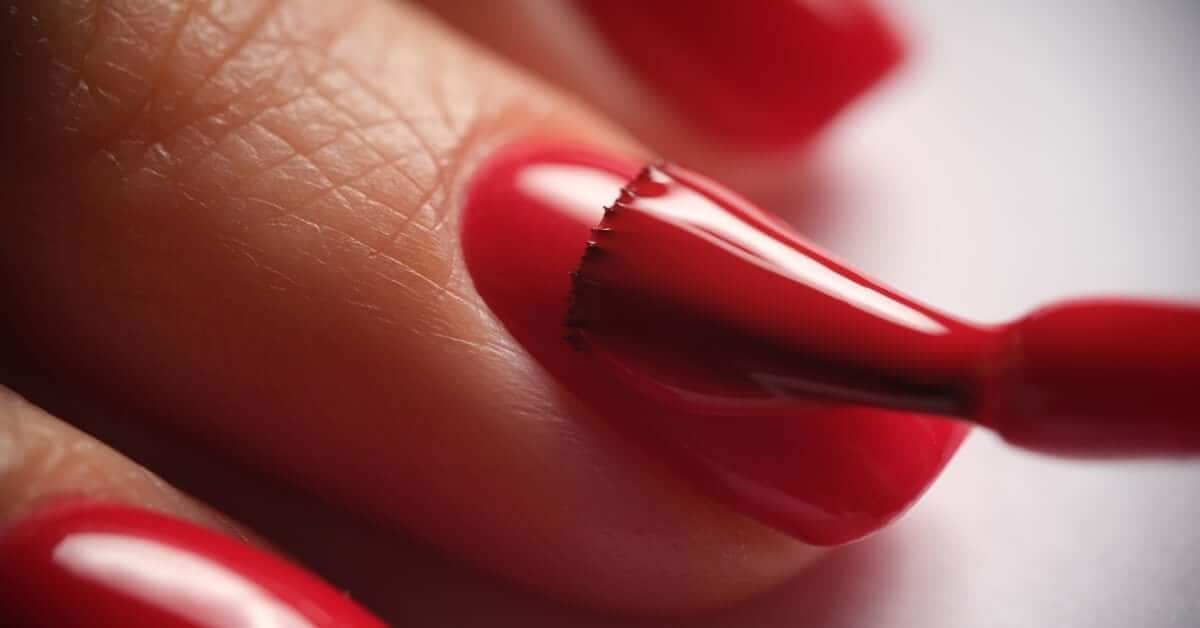

Clean, consistent color application comes down to control and effective nail preparation. Small mistakes in either of these areas can affect how the set looks and how long it lasts.
Most of the common mistakes people make when applying gel polish stem from how they place the product, prepare the nail, or cure each layer. When working with gel nail systems, refining those habits leads to smoother application and more predictable—and professional—results.
Start With Prep That Supports Gel Adhesion
Application problems often start before color is applied. Without proper nail prep, gel may lift, chip, or apply unevenly.
When preparing to use gel, focus on consistency, not aggression. The goal is to remove surface oils and fully clear debris from the nail.
A reliable prep routine typically includes:
- Lightly removing surface shine with a fine-grit buffer or file
- Cleaning dust and oils from the nail with nail cleanser or isopropyl alcohol
- Pushing back the cuticles and removing any dead tissue
- Ensuring the nail is completely dry before base application
With effective and consistent prep, the base layer acts like double-sided tape, sticking to the nail plate and the gel polish to support long-lasting results.
Avoid Thick Color Layers
Trying to get full coverage in one coat can often create more problems than it solves. Thick gel layers can wrinkle, ripple, or cure unevenly.
Thin, controlled layers perform better. They allow the gel to level properly and cure all the way through. Even if the first coat looks slightly sheer, building coverage gradually will ultimately create a smoother result.
This is one of the most important habits when working with gel nail systems. Controlled layers are crucial for achieving great structure and durability.
Keep Product Off the Skin
Flooding the cuticle area or sidewalls is a common issue, especially when too much product is on the brush. While it doesn’t take long to clean up a bit of extra product, it does slow you down—and it can be difficult for novices to remove all the extra product, which will cause lifting later on.
When possible, leave a small margin around the cuticle area. Guide the product close, but not into the skin. If gel shifts before curing, address it immediately instead of trying to fix it later.
Control Product on the Brush
How much gel is on the brush affects everything from coverage to control. Too much leads to pooling, and too little leads to streaking.
Before placing product, wipe excess off one side of the brush. Place the product at the center, then guide it forward and refine near the edges.
Cure Each Layer Completely
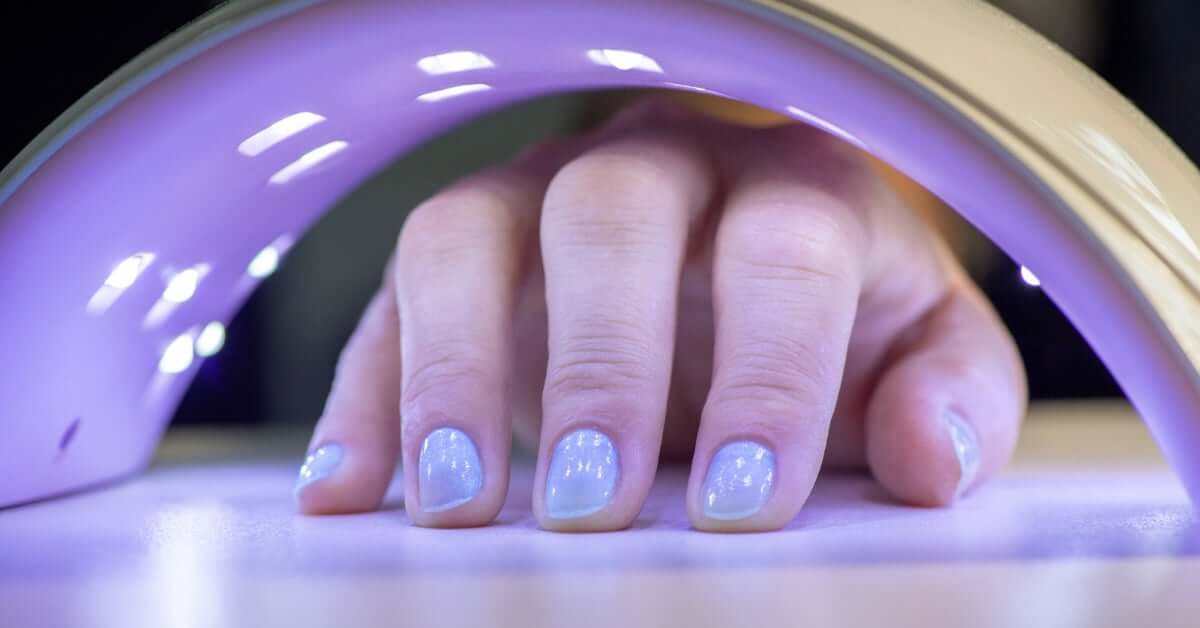
Rushing the curing process leads to instability in the final result. Each gel layer needs to cure fully according to the product and lamp being used.
Treat curing as part of the application process. Controlled layers and complete cures work together to create a stable result.
Stay Within a Compatible System
Mixing products from different systems can lead to inconsistent results. Gel polish base, color, and top coats are often designed to work together as a system, and changing one part can affect adhesion or finish.
When issues like shrinking, dullness, or lifting repeat across multiple sets, take a second look at your product compatibility. Working within a single system reduces variables and makes it easier to get consistent results.
Avoid Overworking the Gel
Once gel is placed, overworking it can create streaks and uneven thickness. Repeated brushing disrupts the product as it starts to self-level.
Instead, place the gel on the nail, guide it into position, and stop. Let the product settle before curing. This approach produces a smoother surface than trying to perfect the layer with multiple passes. Use Base and Top Layers as Part of the Structure
Base and top coats are not optional steps in gel application. Each one supports a different part of the service.
The base layer anchors the product to the nail and makes it easier to apply color evenly. The top coat seals the surface, protects the color, and adds durability and shine. Skipping either step weakens the overall structure.
For consistent results, treat both as essential parts of the process.
Adjust Your Viewing Angle and Lighting
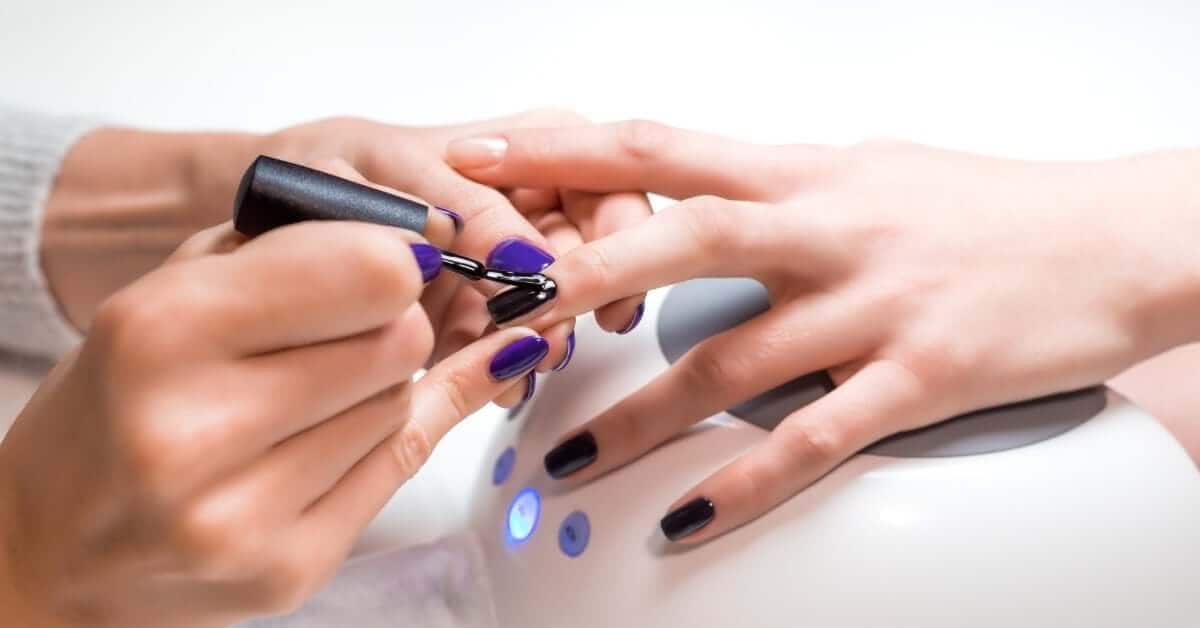
Application control depends on what you can see. Poor lighting or awkward hand positioning makes it harder to manage product near the sidewalls and cuticle area.
Check the nail from multiple angles before curing. A straight-on view helps with placement, while a side view reveals thickness and surface issues. Good lighting makes it easier to catch mistakes early.
These adjustments improve precision without changing the product itself.
Pay Attention to Product Condition
Sometimes, the issue is not technique; it’s the product. Gel that has been exposed to air, heat, or light for too long may become thick and gooey.
If the product drags, separates, or behaves inconsistently across multiple nails, check its condition. Keeping containers clean, closed, and out of direct sunlight also helps maintain performance during application.
Clean Up Before Final Cure
Before the final gel top coat cure, review the full set for uneven coverage or excess thickness. Small corrections at this stage improve the overall finish and reduce the need for more intensive rework later.
This final check helps refine the result before the service is complete.
Improve Results by Refining Your Application Habits
Most issues in color services come from small habits that repeat across the process. Thick layers, rushed curing, poor brush control, and inconsistent prep all affect the final result.
Reviewing the common mistakes to avoid when applying nail polish can help you identify which habits you can improve. With a controlled application, the gel levels better, cures more evenly, and wears more consistently.
For anyone working with gel nail systems, refining these techniques leads to cleaner structure and more reliable results.
Explore Gel Systems Designed for Better Control
Working within a complete system can make a noticeable difference in application consistency. Mia Secret offers its Gelux gel nail system designed to support long-lasting, super-shiny gel polish manicures.
Explore Mia Secret’s gel nail system collection to find products that improve your color application and overall service results.